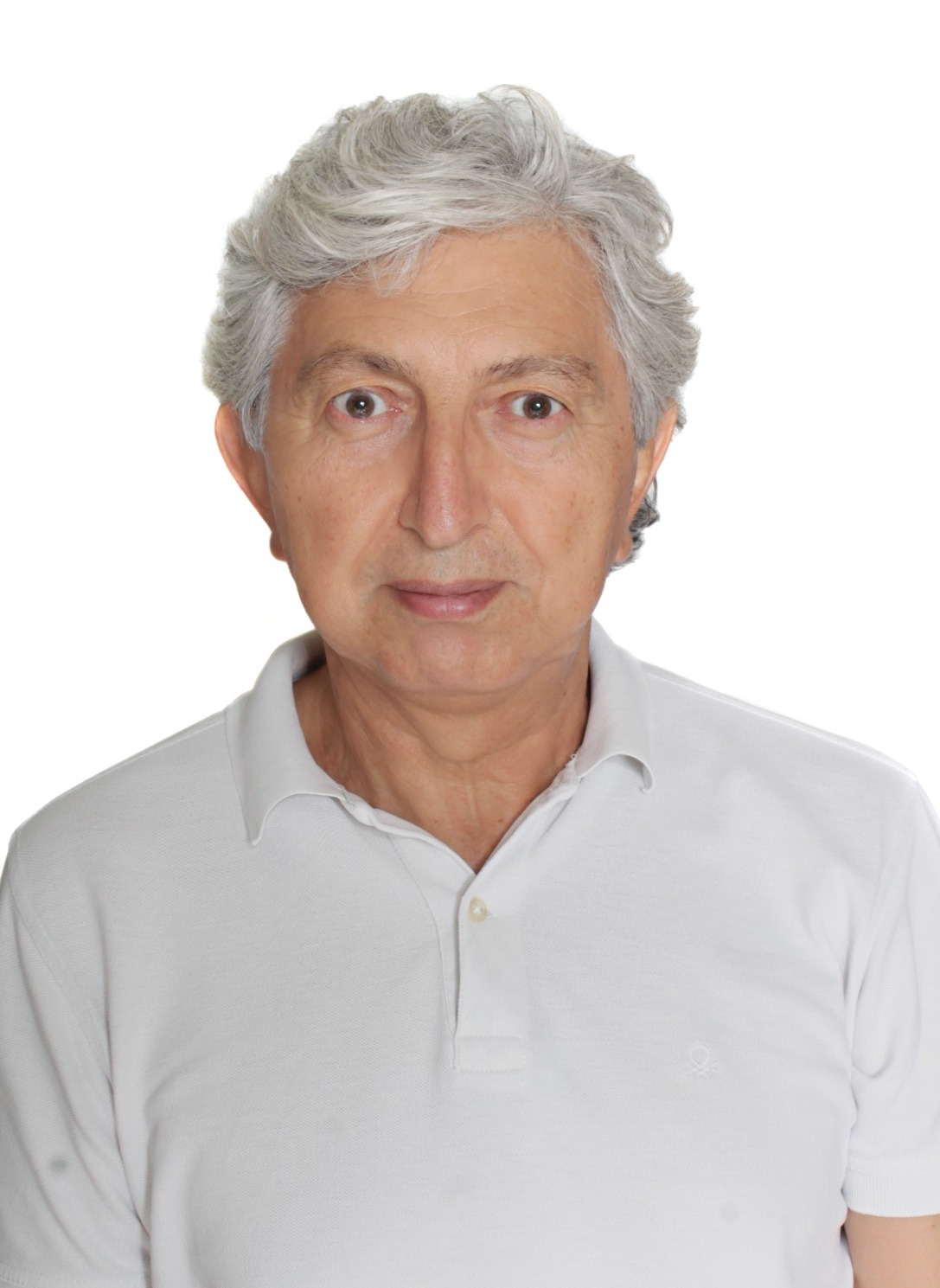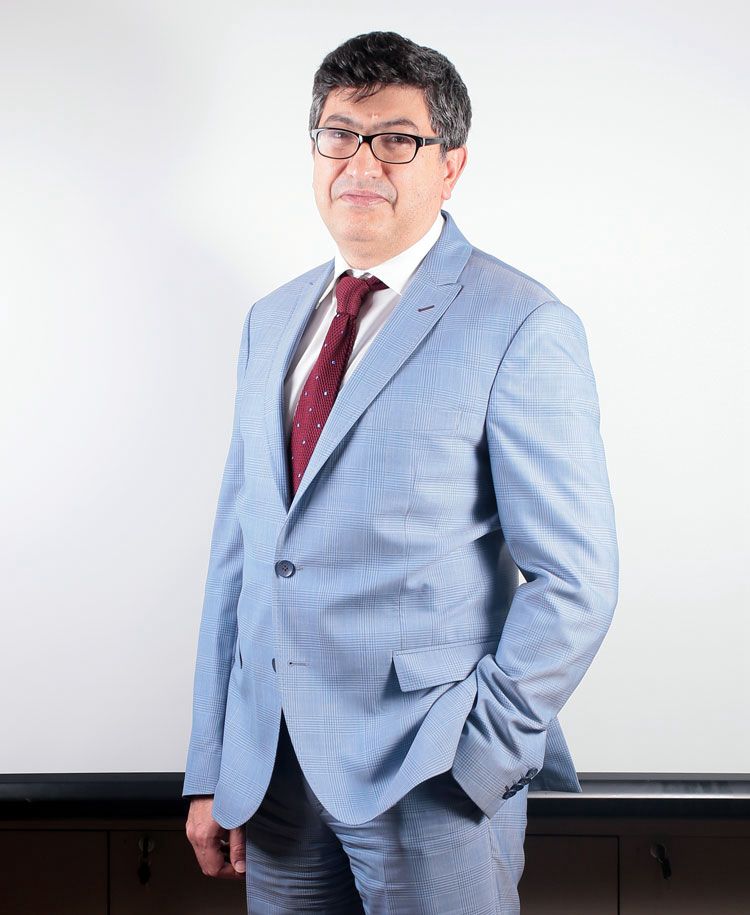
Prof. Dr. Gıyasettin Demirhan
Faculty of Sport Sciences, Hacettepe University
Prof. Dr. Gıyasettin Demirhan is a faculty member in the Department of Physical Education and Sports Teaching at Hacettepe University's Faculty of Sport Sciences, and an academic who has played a pioneering role in institutionalizing sport sciences, physical education, and sport pedagogy in Turkey. He has held numerous administrative positions throughout his career, including Dean of the Faculty and Chair of the Department of Physical Education and Sports Teaching. His primary research interests encompass physical education and sport pedagogy, critical thinking in sport, philosophy of sport, teacher training policies, and the relationship between physical activity and cognitive function. Through numerous publications in prestigious national and international journals, his editorial roles for books and journals, and his leadership of large-scale research projects, Prof. Dr. Demirhan continues to produce scholarship of international standard, reflecting both his theoretical depth and his innovative vision for the field.
Teaching Go Under Variable Conditions: A Conceptual Framework for Adaptive Instruction
Teaching the game of Go poses distinctive pedagogical challenges, as learners vary considerably in terms of their prior knowledge, cognitive strategies, decision-making speed, and problem-solving approaches. While conventional instructional models often presuppose relatively homogeneous learning conditions, authentic teaching contexts are marked by ongoing variability in learner ability, classroom dynamics, time constraints, and available resources. This paper proposes a conceptual framework for adapting Go instruction to such variable conditions by integrating learner-centered pedagogy, differentiated instruction, and dynamic teaching strategies. The proposed framework conceptualizes instructional variability along four interrelated dimensions: learner characteristics, environmental conditions, instructional constraints, and game complexity. Building on these dimensions, it outlines a flexible teaching model that enables instructors to adjust learning objectives, task difficulty, feedback strategies, grouping arrangements, and assessment methods in response to changing instructional contexts. Rather than prescribing fixed lesson sequences, the model foregrounds continuous observation, formative assessment, and in-the-moment pedagogical decision-making. Illustrative teaching scenarios show how this approach may be applied across diverse instructional settings, including those involving beginner and advanced learners, heterogeneous classrooms, limited instructional time, online environments, and mixed-age groups, with particular attention to sustaining learner engagement while gradually increasing cognitive demand through scaffolded play situations, guided discovery, and reflective analysis. Rather than proposing a new curriculum, this paper presents a conceptual model designed to foster adaptive expertise among Go instructors, reframing instructional variability as an educational resource rather than a constraint. The principles discussed may extend beyond Go education to inform the broader literature on adaptive pedagogy and the teaching of complex strategic games. Future empirical studies are needed to examine the model's applicability and effectiveness across diverse learner populations and instructional settings.