Create your account to chat with us Register
Contact
Chat
Chat offline
Create your account to chat with us
Register

EGF Go Development Summit

Building the Intellectual, Social, and Institutional Future of European Go

The European Go Federation (EGF) and the Turkish Go Association (TGOD) are proud to introduce the inaugural EGF Go Development Summit. Launching at the 68th European Go Congress in Ankara, this summit will become a permanent, recurring platform dedicated to the intellectual, pedagogical, and structural advancement of our mind sport.

Our goal is to explore every aspect that contributes to the development of Go and its players. The Summit will host multidisciplinary discussions on a wide range of horizon-expanding topics, including cognitive development, game theory, artificial intelligence, geopolitics, education, club governance, and cultural diplomacy.

Going beyond traditional lecture formats, the Summit is designed to be highly interactive, blending keynote presentations with moderated roundtable discussions where multidisciplinary experts and the audience actively engage, debate, and brainstorm together to generate concrete, policy-oriented outcomes.

Sessions run across four themed panels. Speakers within each session are arranged transparently by timeline or alphabetical order where applicable. All times are local time (Ankara, TR).


Program Schedule & Speaker Profiles

Panel 1 · 27 Jul
Panel 2 · 28 Jul
Panel 3 · 30 Jul
Panel 4 · 31 Jul
27 July · Monday

Panel 1: Equality, Participation & Safe Spaces

Time Speaker Title
13:30 – 13:45 Prof. Dr. Manja Marz Opening Remarks & Summit Launch
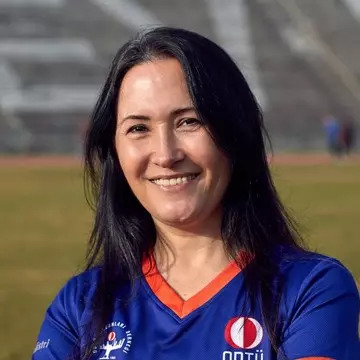
13:45 – 14:10 Prof. Dr. Canan Koca Gender Equity in Go: Beyond Participation
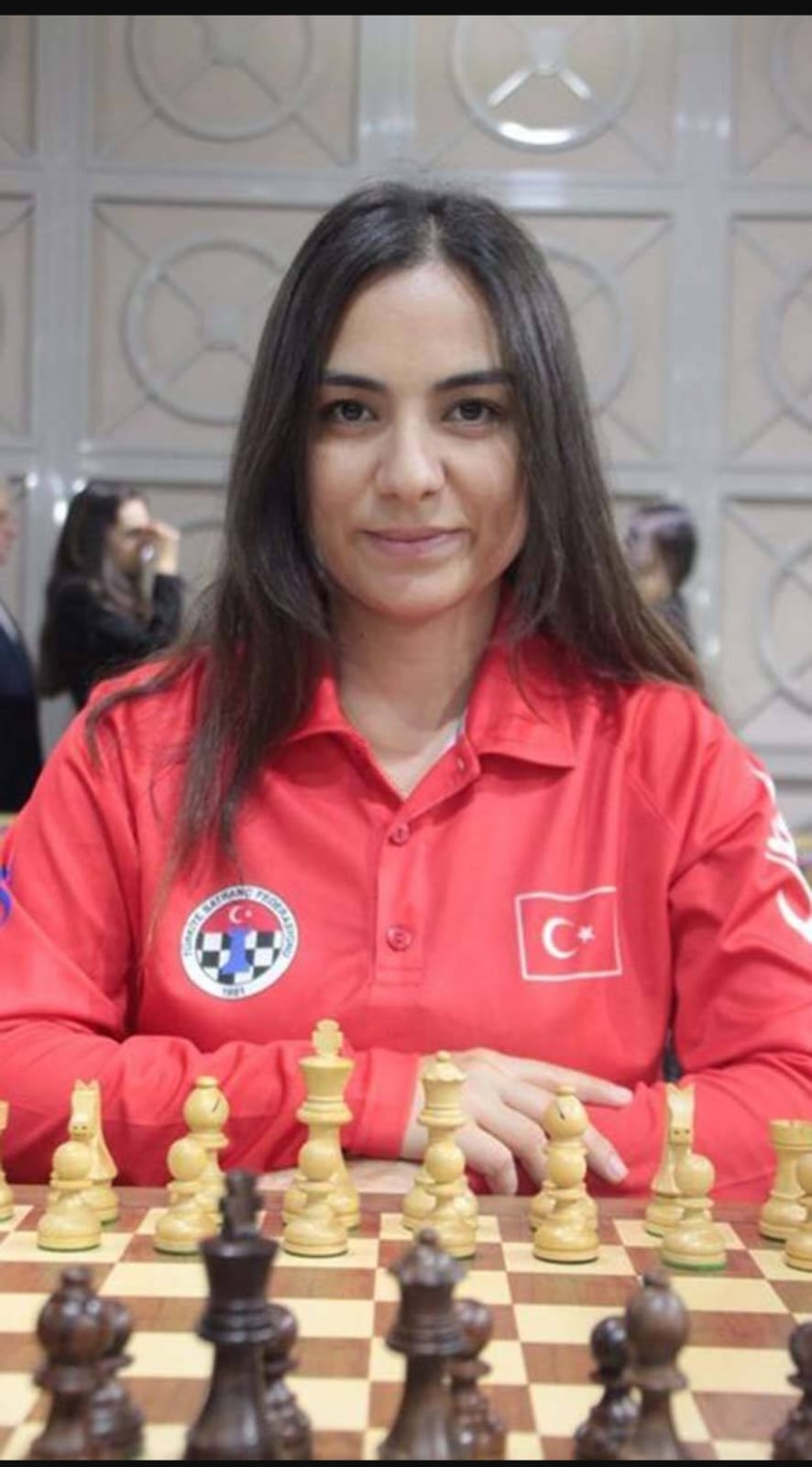
14:10 – 14:35 Kübra Öztürk Örenli (WGM) Equality, Courage, and the Future on 64 Squares
14:35 – 15:00 Prof. Dr. Sibel Yıldırım, Seval Altuğ & Hülya Eren Strategy to Transformation: The Turkish Women's Go League and a Vision for the Future
15:00 – 15:30 All Panelists & Audience Q&A & Discussion
Prof. Dr. Manja Marz

Prof. Dr. Manja Marz

President of the European Go Federation & Bioinformatics Scientist

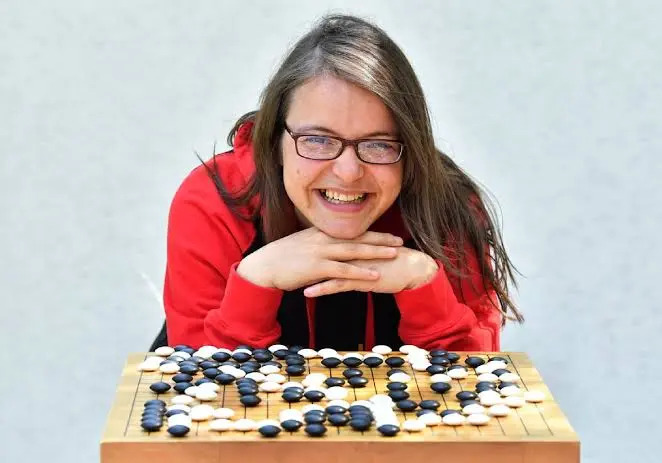
Manja Marz is Professor of RNA Bioinformatics and High-Throughput Analysis at Friedrich Schiller University Jena, where she leads the RNA Bioinformatics and High-Throughput Analysis group. Her research focuses on computational RNA biology, transcriptomics, comparative genomics, and the development of bioinformatics methods for large-scale sequencing data. Beyond academia, she is one of Europe's leading Go players. She serves as President of the European Go Federation, founded the Jena International Go School, is a multiple-time German Women's Go Champion and European Women's Go Champion, and won the 2026 SENKO Cup World Amateur Women's Go Championship, earning qualification for the professional SENKO Cup.

Opening Remarks & Summit Launch

The EGF President opens the inaugural EGF Go Development Summit, framing its vision as a permanent platform for the intellectual, pedagogical, and structural advancement of Go in Europe and beyond.

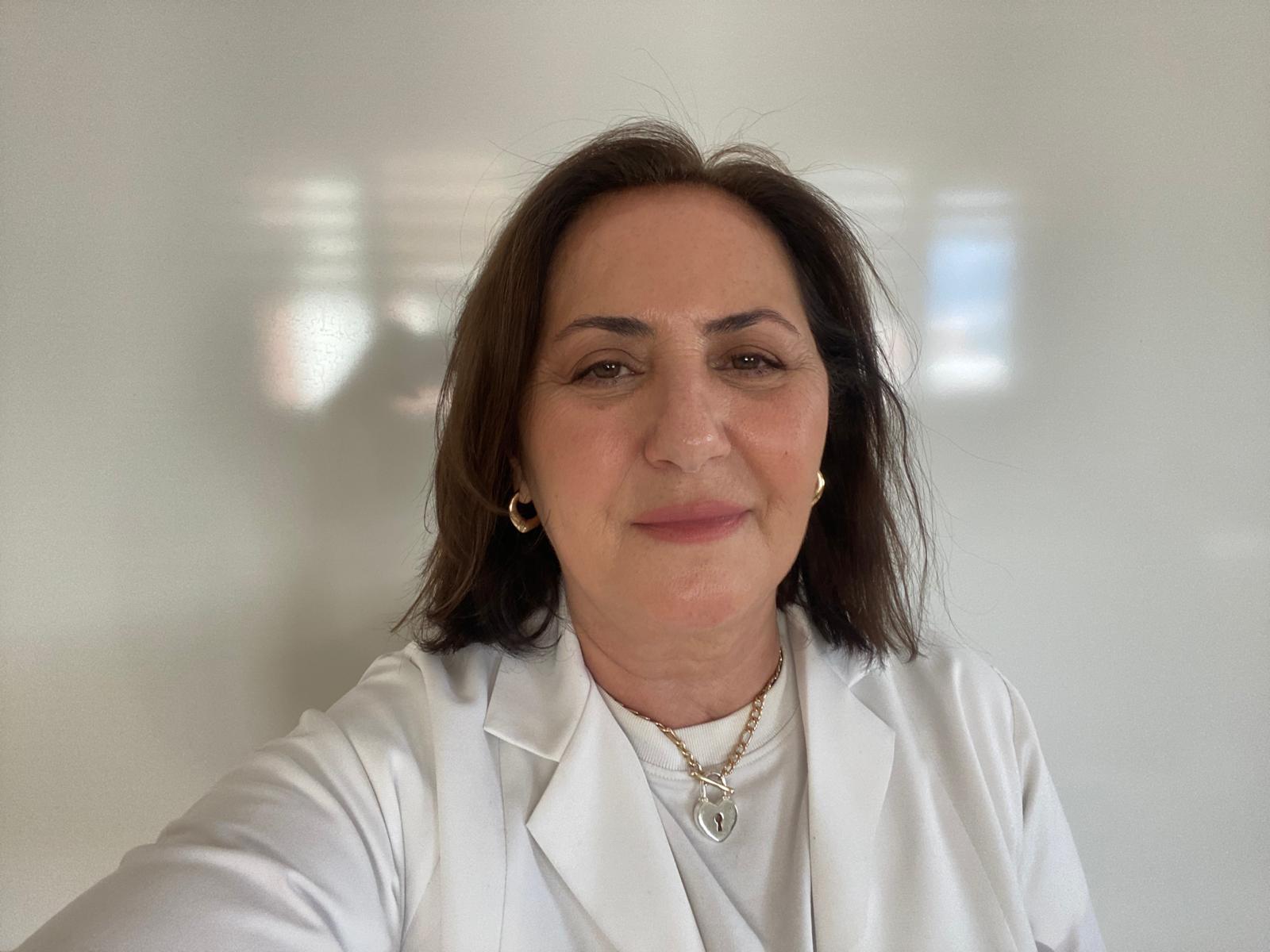
Prof. Dr. Canan Koca

Prof. Dr. Canan Koca

Professor at Hacettepe University, Faculty of Sport Sciences · President of KASFAD

Her academic work focuses heavily on sport sociology, gender studies in sport, physical activity participation, and qualitative research methods. She has led and contributed to numerous national and international research projects, publishing widely on sport, gender dynamics, and social inequality. She is actively involved in both academic and civil society initiatives addressing gender equality in sport, including foundational leadership roles in national associations and international sports networks.

Gender Equity in Go: Beyond Participation

This session explores how the Go community can be strengthened into a more equitable, safe, and inclusive ecosystem. The focus extends beyond simple participation metrics for women and girls to the systemic importance of creating environments where they feel safe, visible, respected, and possess a genuine sense of belonging. Equity is not merely about access; it is critically about the structural support required to stay in the game, grow into advanced levels, and participate directly in leadership and institutional decision-making processes. The lecture provides a strategic roadmap involving gender-sensitive policy-making, safeguarding frameworks, and mentorship networks.

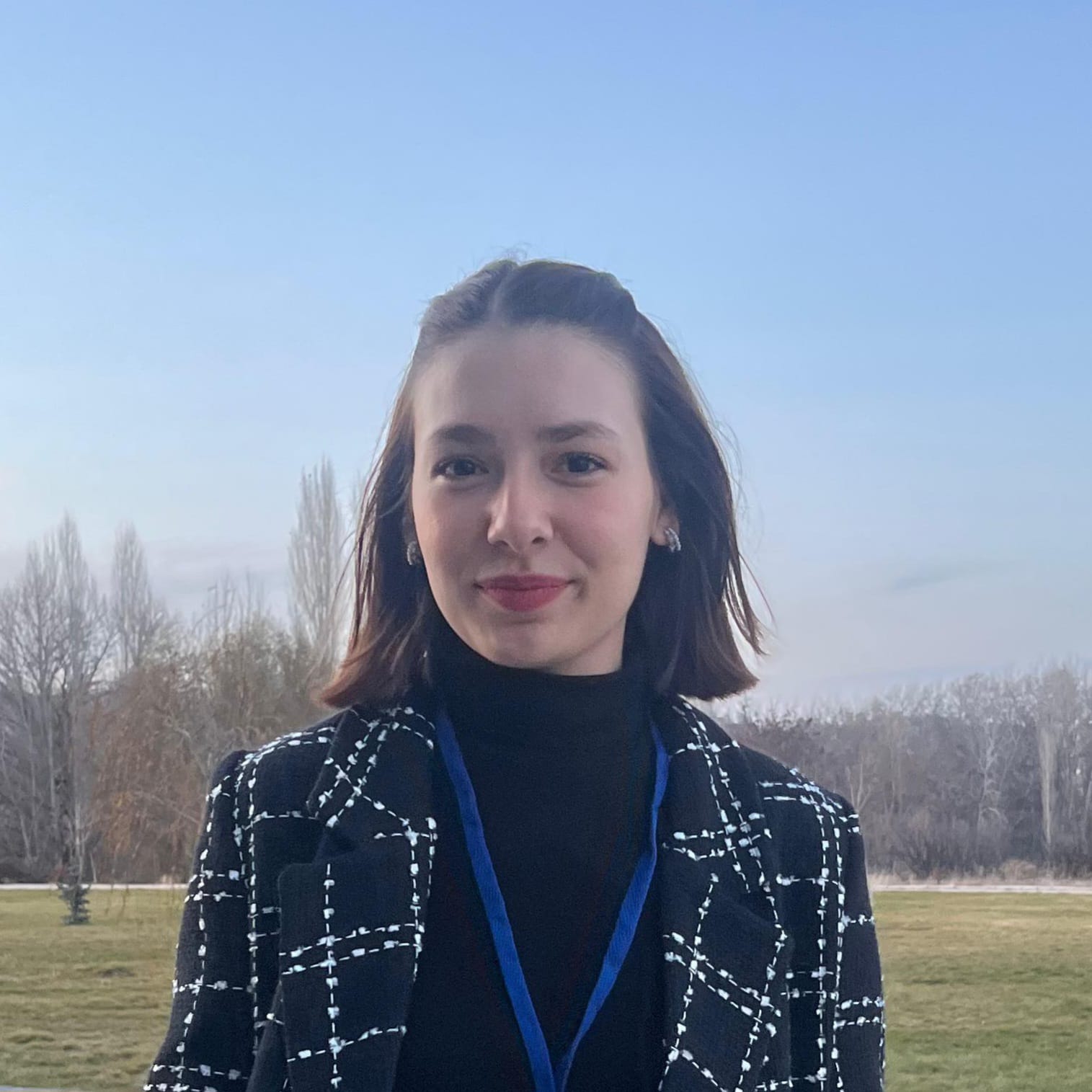
Kübra Öztürk Örenli

Kübra Öztürk Örenli

Türkiye's First Female Chess Grandmaster · Hacettepe University Graduate

Born in 1991 in Ankara, she began her chess journey at age 8. She graduated from Hacettepe University, School of Sports Sciences and Technology, specializing in Physical Education and Sports Teaching. She stands as the first and only player in Turkish chess history to become a two-time consecutive European Champion. A permanent cornerstone of the Turkish National Women's Chess Team, her historic international career includes a World Championship silver medal and numerous national championship titles.

Selected Career Milestones:

  • Two-time consecutive European Youth Chess Champion (2006, 2007)
  • World Junior Chess Championship – 2nd Place (2008)
  • Official Turkish National Women's Chess Champion (2012) & Multiple-time Runner-up
  • World Youth Chess Championship – Girls U18 Category Shared 1st Place (2009)

Equality, Courage, and the Future on 64 Squares

In this talk, I explore how chess is far more than just a game. It is one of the most powerful arenas for developing equality, patience, strategic thinking, discipline, and character. On the chessboard, every move has meaning, and every decision has consequences—just as in life itself.

I also draw attention to the prejudice, unequal opportunities, and often invisible barriers faced by women in chess, while emphasizing how vital it is to encourage and support girls from an early age. When a girl is empowered at the right moment, she not only opens the way for herself but also becomes a source of inspiration for countless others.

Greater visibility of role models, stronger support for women's chess, and the celebration of more success stories will help create a future that is fairer, stronger, and more hopeful.

"On the chessboard, the pieces have no gender. What truly matters is making the right move, putting in the effort, having the courage to persevere, and never giving up."

Prof. Dr. Sibel Yıldırım, Seval Altuğ & Hülya Eren

TGOD Women's Commission
Prof. Dr. Sibel Yıldırım, DDS, PhD

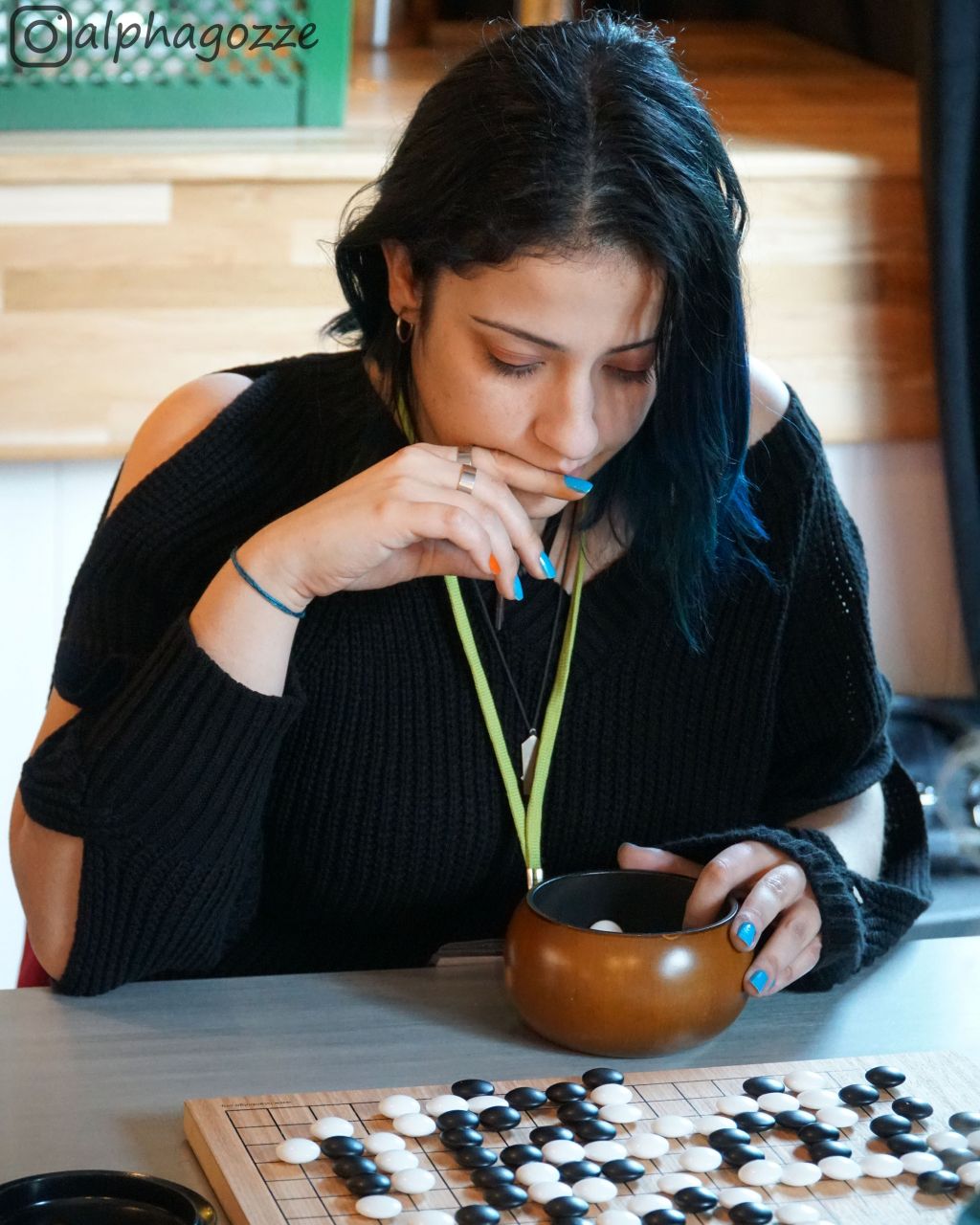
Prof. Dr. Sibel Yıldırım, DDS, PhD is a researcher and educator with interdisciplinary academic backgrounds in Pediatric Dentistry and Cell Biology. Although her professional career has been dedicated to science and higher education, she recently discovered Go—a game that embodies many of the ideals she has admired since her youth. Inspired by Go's unique combination of strategy, lifelong learning, and human connection, she is committed to applying her experience in education, organizational development, and community building to support the growth of Go in Türkiye. Her current focus is on creating more opportunities for women and children, fostering inclusive communities, and helping build a sustainable future for Go through equality, participation, and education.

Seval Altuğ

Seval Altuğ has been playing Go for over 16 years and has remained an active participant in tournaments throughout her Go journey. She is the first woman in Türkiye to achieve the rank of 1 Dan, marking an important milestone for women in Turkish Go. Beyond competing, Seval is deeply committed to the development of Go in Türkiye. Through her continued involvement in the Go community, she strives to promote the game, inspire new players, and contribute to the growth of a more inclusive and vibrant Go ecosystem.

Hülya Eren

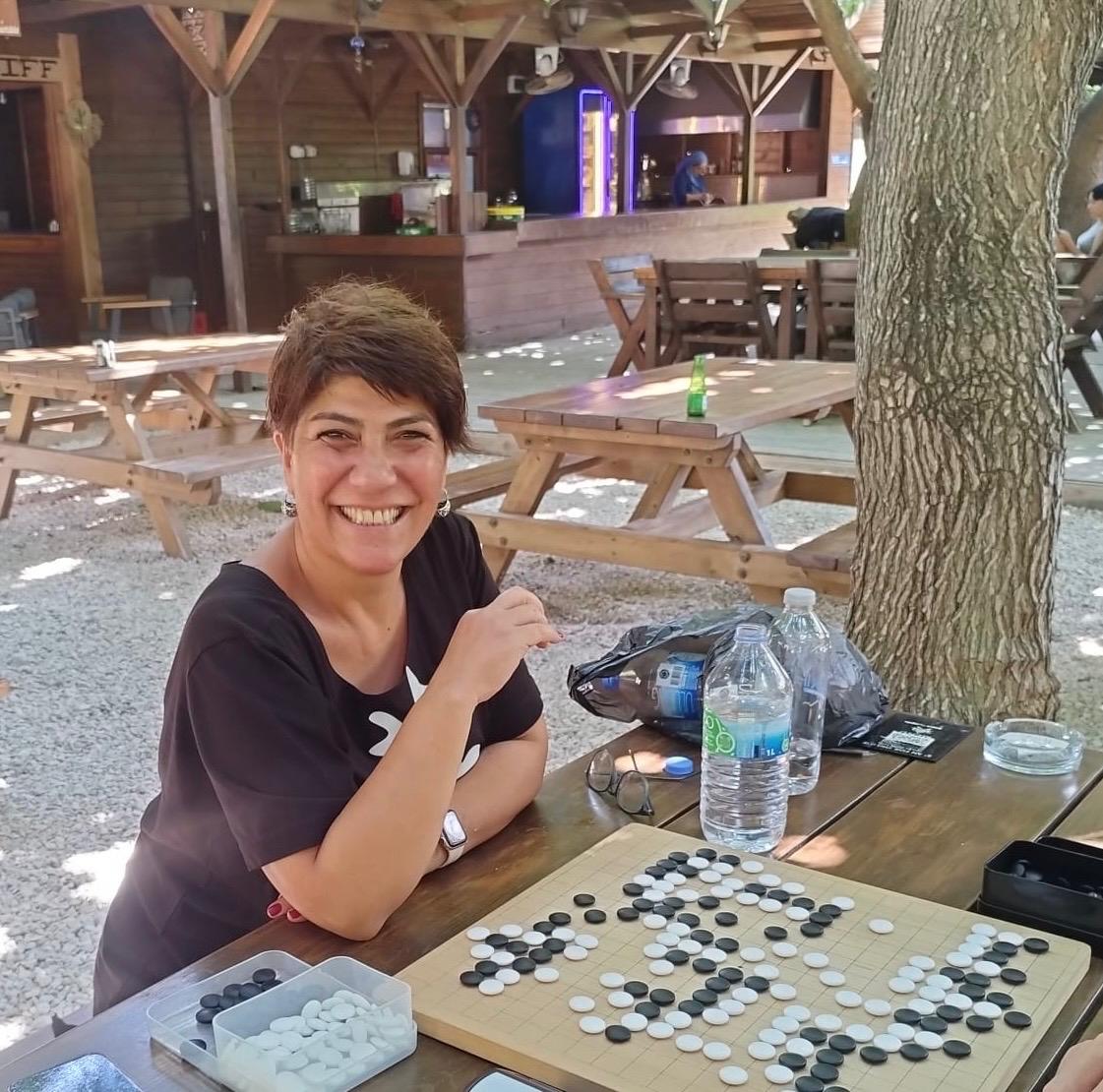
Hülya Eren has been playing Go for 14 years and is currently ranked 1 Kyu. Professionally, she is a dietitian, combining analytical thinking with a passion for helping people lead healthier lives. Outside of Go, Hülya enjoys playing Dota 2, where she proudly identifies as a Herald-ranked player. She also loves knitting and, as she cheerfully admits, appreciates a well-deserved compliment. Her sense of humor and long-standing enthusiasm for Go make her a valued member of the Turkish Go community.

Strategy to Transformation: The Turkish Women's Go League and a Vision for the Future

The first steps toward establishing the TGOD Women's Commission were taken in May 2025. Following consultations with professional advisors, three strategic priorities were identified: Equality, Participation, and Safe Spaces. These principles became the foundation for a long-term initiative aimed at strengthening the position of women within the Turkish Go community. Subsequent meetings and a nationwide needs assessment survey conducted among women Go players provided valuable insights into the challenges they face and the support they seek. Based on these findings, the Commission developed a series of initiatives designed to foster greater participation, create a more inclusive environment, and encourage the long-term development of women players in Türkiye. As the first major initiative, the Turkish Women's Go League was launched on 6 April 2026. Following the successful completion of its inaugural season, participant feedback was collected through a satisfaction survey, allowing the league structure and organization to evolve in response to the community's needs. Building on this continuous improvement process, the second season began on 29 June 2026 and continues to support and connect women Go players across Türkiye.

Women's Go leagues of this kind remain relatively rare worldwide. Our goal is not only to sustain this initiative but also to further develop it into a sustainable model that promotes equality, increases participation, and inspires similar efforts in other Go communities around the world.

28 July · Tuesday

Panel 2: Neurocognition & Go — The Architecture of Thinking

Time Speaker Title
13:30 – 13:55 Prof. Dr. Hilmi Uysal The Brain's Journey in the Game of Go
13:55 – 14:20 Prof. Dr. Manja Marz Play with Brain: Differences in Cortex Activation of Male and Female Go Players
14:20 – 14:40 Ahmet Eren Kurter The Effect of Cognitive Load on Heart Rate Variability in Go Players
14:40 – 15:05 Assoc. Prof. Dr. Figen Uysal Go as a Medium for Mathematical Thinking: Strategy, Pattern Recognition and Inquiry-Based Learning
15:05 – 15:30 Tuğba Sadak Go (Baduk) as a Tool for Learning and Thinking (Collaborative Work with Asst. Prof. Dr. Atilla Özdemir)
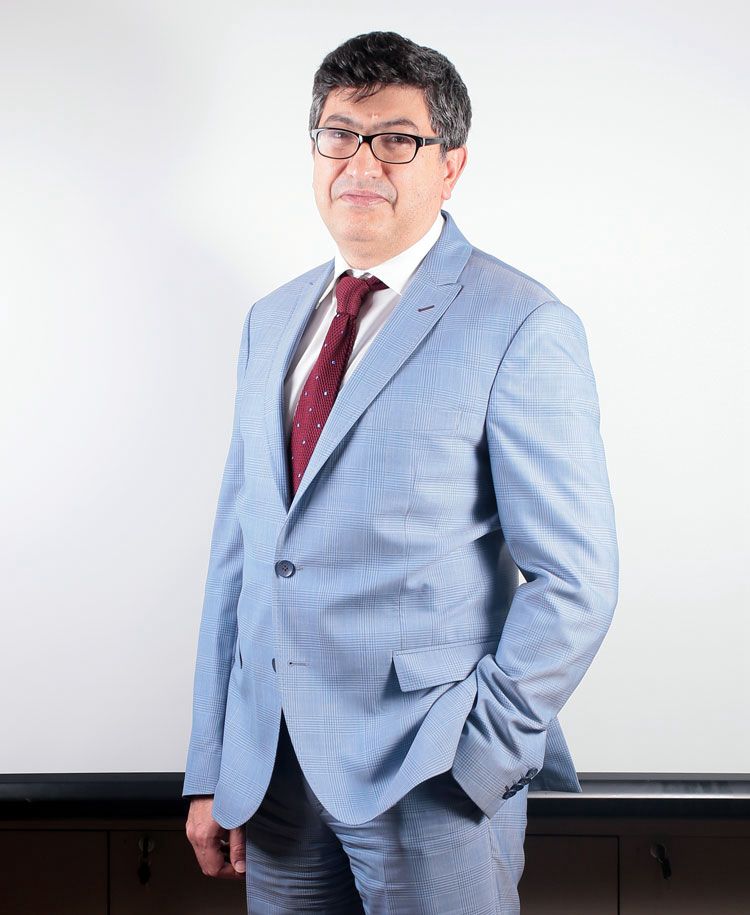
Prof. Dr. Hilmi Uysal

Prof. Dr. Hilmi Uysal

MD, Specialist in Neurology · Retired Faculty Member, Akdeniz University Faculty of Medicine

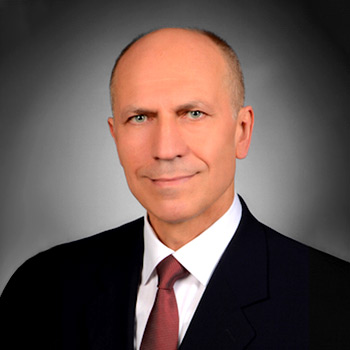
Graduated from Hacettepe Faculty of Medicine in 1982, he completed his specialization training in Neurology at Ankara Health Center Hospital (1987–1991). He conducted advanced research at the UNSW Institute of Neurological Sciences in 1998. He served as a consultant neurologist at Ankara Physical Therapy and Rehabilitation Hospital and as a distinguished faculty member at Akdeniz University from 2006 until his retirement in 2024. His primary scientific interests include Clinical Neurophysiology, Neuromuscular Diseases, and ALS. Outside neurology, he is dedicated to photography, swimming, the history of Village Institutes, and the game of Go.

The Brain's Journey in the Game of Go

This presentation will review how the ancient game of Go affects the structure and function of the human brain, based on studies in the literature. It explains that the game requires a high level of cognitive capacity, engaging various lobes and pathways to manage spatial awareness, strategic planning, and memory. Scientific research shows that experienced players develop increased white matter and larger reward centers, suggesting that the game promotes neuroplasticity. Beyond healthy players, the text highlights clinical benefits for individuals with Alzheimer's and ADHD, demonstrating improvements in attention and cognitive scores. In conclusion, it is stated that regular play enhances intuitive decision-making and emotional resilience, offering significant neuroprotective advantages.

Prof. Dr. Manja Marz

Prof. Dr. Manja Marz

President of the European Go Federation & Bioinformatics Scientist

Manja Marz is Professor of RNA Bioinformatics and High-Throughput Analysis at Friedrich Schiller University Jena, where she leads the RNA Bioinformatics and High-Throughput Analysis group. Her research focuses on computational RNA biology, transcriptomics, comparative genomics, and the development of bioinformatics methods for large-scale sequencing data. Beyond academia, she is one of Europe's leading Go players and serves as President of the European Go Federation.

Play with Brain: Differences in Cortex Activation of Male and Female Go Players

What happens in the brain during several hours of peak cognitive performance? Play with Brain is the first live neuroscience experiment to investigate brain activity, physiological responses, and decision-making in elite Go players during tournament games. By combining electroencephalography (EEG), electrocardiography (ECG), muscle activity, synchronized game recordings, and post-game interviews, the project captures the neural and physiological dynamics underlying complex strategic thinking under real competitive conditions. The study examines how cognitive load, time pressure, game state, and emotional responses influence brain activity and whether these processes differ between women and men. Beyond advancing our understanding of human decision-making in Go, the project establishes a novel experimental framework for studying sustained mental performance, with potential applications in neuroscience, psychology, education, e-sports, and professions requiring prolonged concentration, such as surgery and aviation.

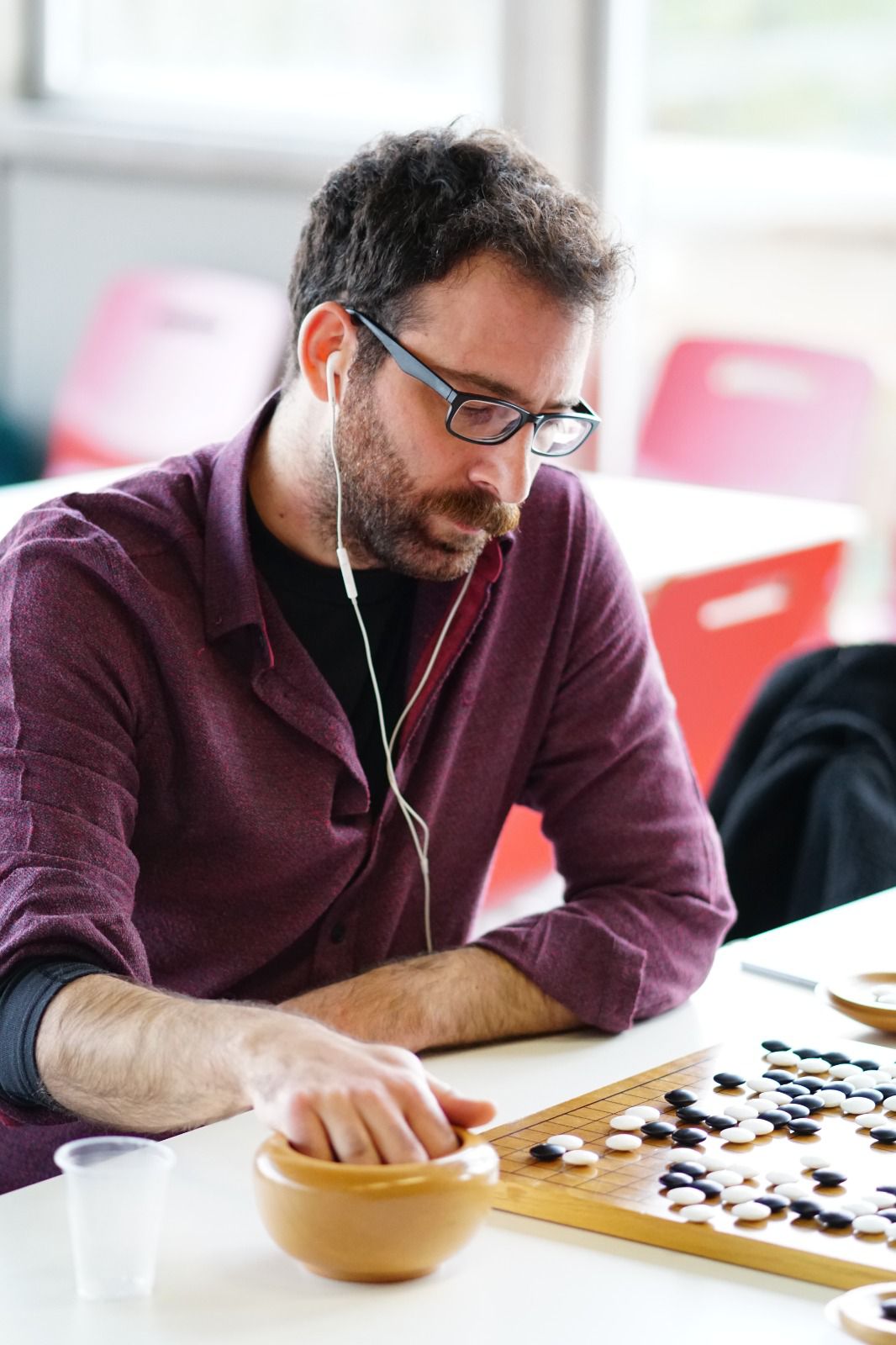
Ahmet Eren Kurter

Ahmet Eren Kurter

President of the Turkish Go Association & Sports Scientist

Ahmet Eren Kurter serves as the President of the Turkish Go Association (TGOD) and the Secretary of the European Go Federation (EGF). He is an academician and lecturer at the Faculty of Sports Sciences at Hacettepe University. He is the primary director of the 68th European Go Congress (EGC 2026) in Ankara and the pioneer of the inaugural EGF Go Development Summit.

The Effect of Cognitive Load on Heart Rate Variability in Go Players

This presentation explores the physiological basis of cognitive performance by examining Heart Rate Variability (HRV) differences among Go players during problem-solving tasks. Based on research analyzing the HRV parameters of 27 participants measured at rest and during active problem-solving, this session evaluates the autonomic nervous system's response to cognitive load.

Assoc. Prof. Dr. Figen Uysal

Assoc. Prof. Dr. Figen Uysal

Associate Professor, Department of Mathematics, Bilecik Şeyh Edebali University

She completed her undergraduate, Master's, and PhD degrees in the Department of Mathematics at Trakya University. In 2020, she was awarded the title of Associate Professor in Mathematics and Science Education. She served as a faculty member at Anadolu University (2000–2007) and has been with Bilecik Şeyh Edebali University since 2007, where she currently serves as the Head of the Applied Mathematics Department. In 2012, she conducted advanced research as a visiting scholar at the Center for Research in Mathematics and Science Education (CRMSE) at San Diego State University under a YÖK scholarship. Her academic specialties include learning theories, math anxiety, and cognitive development.

Go as a Medium for Mathematical Thinking: Strategy, Pattern Recognition, and Inquiry-Based Learning

This presentation highlights how the spatial and strategic properties of Go can be integrated into formal mathematical pedagogy. By framing the board as a matrix of possibilities, the session analyzes how pattern recognition, calculation, and tactical inquiry map directly onto mathematical problem-solving theories and advanced cognitive development frameworks.

Tuğba Sadak

Tuğba Sadak

Mathematics Educator & Chess Instructor

An experienced educator operating across formal and non-formal learning settings, she specializes in mathematics education and individualized instruction. She has contributed extensively to social inclusion projects, focusing on educational reintegration and risk prevention for children. Her professional interests center on integrating strategic mind sports like Go and chess into formal logic curricula to foster problem-solving and critical reasoning.

Go (Baduk) as a Tool for Learning and Thinking: A Systematic Review of Educational Outcomes (Collaborative Work with Asst. Prof. Dr. Atilla Özdemir)

Go (also known as Baduk in Korea and Weiqi in China) is one of the world's oldest strategy games, yet it has received only limited attention in educational research relative to comparable games such as chess. The aim of this systematic review is to examine how Go has been addressed in educational contexts, which outcome variables it has been associated with, and the methodological characteristics of the existing evidence base. The review was conducted in accordance with the PRISMA 2020 guidelines. Studies retrieved from Scopus, Web of Science, and Google Scholar were screened against predetermined inclusion and exclusion criteria, and ten studies were retained and systematically coded for study characteristics, research designs, data collection tools, examined outcomes, reported effects, and methodological limitations. The methodological quality of the included studies was appraised using an adapted version of the Mixed Methods Appraisal Tool (MMAT). The findings indicate that Go has been associated with a range of cognitive, academic, and social–emotional outcomes; prominent themes include problem solving, mathematical thinking, spatial reasoning, attention, working memory, executive functions, motivation, and social interaction. Two controlled studies provided the strongest evidence, linking Go practice to gains in delay of gratification and to improvements in attention, executive function, and prefrontal brain activity in children with ADHD, while single-group studies reported large pre–post effect sizes for problem solving and thinking styles. Although the overall direction of the evidence is positive, the results should be interpreted with caution because of recurrent methodological limitations such as small samples, scarce control groups, short-term interventions, limited random assignment, and a lack of longitudinal follow-up. This review underscores the pedagogical potential of Go for game-based learning while emphasizing the need for methodologically stronger designs in future research.

30 July · Thursday

Panel 3: Growing Go — Strategy, Sponsorship & Sustainability

Time Speaker Title
13:30 – 14:00 Prof. Dr. Damir Medak Sportifying Go
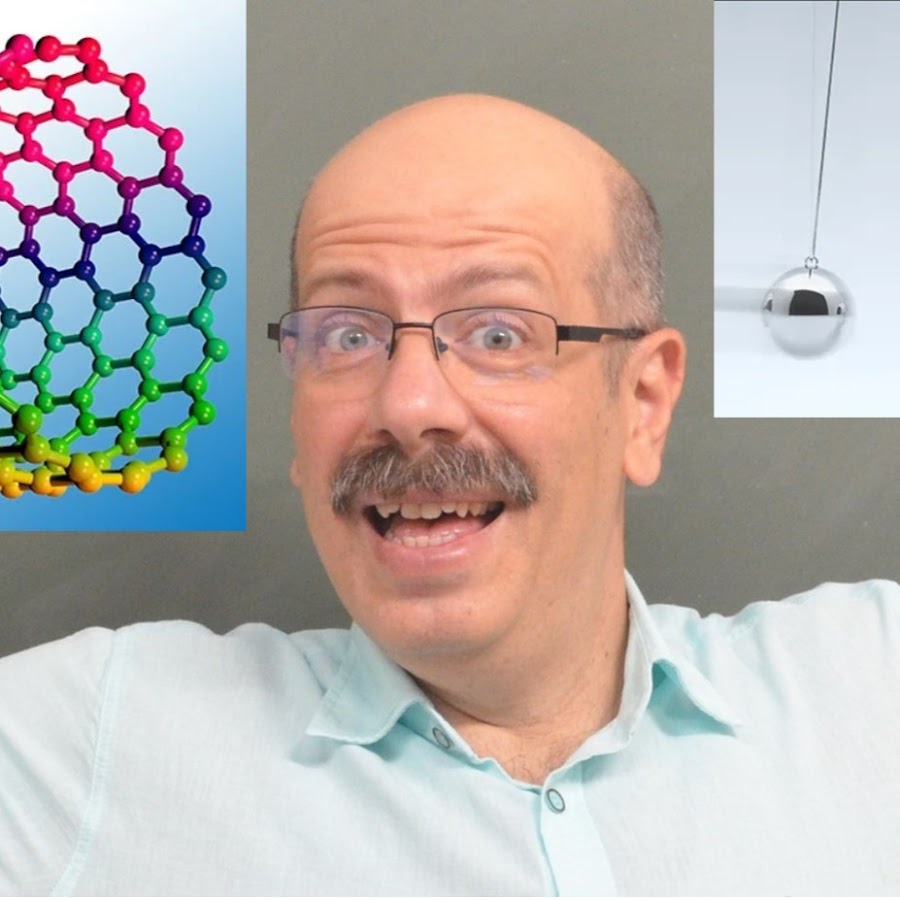
14:00 – 14:30 Asst. Prof. Dr. Sema Seymen How "Lanke" Sustained Thousands of Years?
14:30 – 15:30 Moderator: TBA
(Open Call for Panelists)
Open Forum & Brainstorming Session: The Future of Institutional Go
(Active audience participation is expected. To become a panelist: hello@egc2026.com)
Prof. Dr. Damir Medak

Prof. Dr. Damir Medak

Professor at the University of Zagreb, Faculty of Geodesy

Damir Medak is a Full Professor at the University of Zagreb, Faculty of Geodesy. He is teaching Spatial Databases and Spatial Data Analysis. During the last 10 years, the Department of Geoinformation Science he established in 2004 emerged as the leading Geo AI scientific unit in the region. At the same time, he started to re-build the Croatian Go community around projects involving school children and teachers. In 2019, he started the SEYGO Tour project together with Catalin Taranu, 5p, and maintained regular youth tournaments during 7 seasons. In 2020, 2021 and in 2026 he was the main organizer of European Youth Championships. In 2024, his team organized a large European Pair Go Championship in Dubrovnik. Since 2022, he is the Vice President of the European Go Federation, with the task to improve the key sport aspects of Go in Europe. He participated in each EGF Annual General Assembly since 2015 and in each EYGC since 2013. He used acquired experience, combined with his previous chess activities (Damir is FIDE master in chess since 1990), in many European top events like European Pro Championships, European Pro Qualifications and major international open tournaments. Since 2022, he provided the roadmaps for developing sustainable Go organizations in EGF member countries under the motto "Sportifying Go". He led several international initiatives leading to very good proposals on Erasmus Sport Calls.

Sportifying Go in Europe

In many European countries, national Go associations maintain close ties with the official sport authorities. For that purpose, Go communities are led according to the rules of sport, usually related to the International Olympic Committee Good Governance Principles. Recent initiatives by International Go Federations, which should bring Go under the umbrella of IOC recognized sports, sparks motivation for the European Go Federation to show its best in certain areas. One of the most important principles in any sport is that there are pre-defined roles: athletes (players), coaches (teachers) and arbiters (referees). Players are playing, coaches are teaching players, referees are enforcing rules. On this particular occasion, we are going to talk about the roadmap for developing a sustainable referee system across the European Go community, starting at two levels: EGF level and national level.

Asst. Prof. Dr. Sema Seymen

Asst. Prof. Dr. Sema Seymen

Asst. Prof. Dr. of Physics, İstanbul Nişantaşı University · Istanbul Go Players Association General Secretary

General secretary of the Istanbul Go Players Association (IGOD) and a member of TGOD. Spent two years in China for theoretical studies on efficiency of small engines. Currently teaching physics to freshman engineering students and playing Go for almost nine years.

How "Lanke" Sustained Thousands of Years?

This will be a small talk about my journey to Lanke Mountain (烂柯山) which made me think about how Go sustained for thousands of years.

Open Forum & Audience Brainstorming Session: The Future of Institutional Go

Moderator: To Be Announced (TBA) · Panelists: TBA & The Audience

Session Overview & Call for Participation

This concluding session is designed as a dynamic, open forum dedicated to the structural and institutional development of Go across Europe. Moving away from traditional lectures, the floor will be entirely dedicated to a moderated brainstorming and Q&A session.

Active audience participation is not just encouraged; it is the core of this session. We particularly invite national association representatives attending the AGM, individuals working toward the recognition of Go as an official sport in Europe, and anyone with constructive critiques or fresh ideas regarding the European Go ecosystem. If you want to build a better system, this is the place to roll up your sleeves and turn ideas into action.

Call for Panelists: The moderator and the panelist lineup will be finalized soon. If you are willing to take responsibility and wish to share the stage as a panelist to discuss the institutional future of our mind sport, please contact us at hello@egc2026.com.

31 July · Friday

Panel 4: Cultivating Minds — The Educational Power of Go

Time Speaker Title
13:30 – 13:55 Oktay Uysal, PhD The Future Begins at the Board: Teaching Go to Kids
13:55 – 14:20 Prof. Dr. Doğan Erbahar Quantum Baduk: Real Science or Buzzword?
14:20 – 14:45 Mehmet Emin Barsbey Thousands of Children, Thousands of Moves: The Educational Journey of Istanbul Go School
14:45 – 15:10 Ömer Naiboğlu & Berke Üner How We Got Here: Journeys, Challenges, and Needs of Young Go Players in Turkey
15:10 – 15:30 Prof. Dr. Gıyasettin Demirhan Teaching Go Under Variable Conditions: Adaptive Methods for Instructors
Oktay Uysal, PhD

Oktay Uysal, PhD

President & Education Committee Lead, Eskişehir Go Players Association (ESGO)

One of the pioneer Go players in Türkiye, he began playing in 1989. He is a graduate of Middle East Technical University (METU), Department of Metallurgical and Materials Engineering, and holds a PhD in engineering. He founded ESGO, the first official Go association in Eskişehir, where he actively directs grassroots youth education initiatives. Professionally, he is also a Managing Partner at the technology company Entekno.

The Future Begins at the Board: Teaching Go to Young Minds

Go is a game which is simple in main principles but amazingly complex with countless varieties and patterns. To teach complex information to cheerful and low-focussed children's minds can be quite overwhelming when there is no clear strategy for teaching. Teaching Go can not be the same for adults and children. Teaching strategy must take into account how the children's mind conceives information: quick and with fun. It can not be expected for children to stay silent and listen to the Go teacher for more than 10–15 minutes. In this session the way to teach Go to children will be analyzed and discussed, and tips to help teachers be effective when teaching children will be provided.

Prof. Dr. Doğan Erbahar

Prof. Dr. Doğan Erbahar

Professor of Physics & Computational Physics, Doğuş University

An expert in computational physics and quantum mechanics, his research intersects advanced computational modeling and structural analytics. He holds a deep interest in the boundaries of computation, artificial intelligence, and game-tree complexity.

Quantum Baduk: Real Science or Buzzword?

Quantum computing is one of the most hyped technologies of our era, and Go AI stands as one of the most spectacular recent success stories in computer science. This talk examines whether quantum algorithms could yield the next massive leap in Go-playing engines, similar to the impact of deep learning. We survey what quantum algorithms offer—particularly quantum search and quantum Monte Carlo methods—and evaluate whether these speedups genuinely address the core computational bottlenecks of modern Go engines like KataGo. The session demystifies current literature regarding quantum game-tree searches, outlining constraints of current hardware and highlighting illuminating truths about why classical Go AI functions so remarkably well. No quantum mechanics background is required.

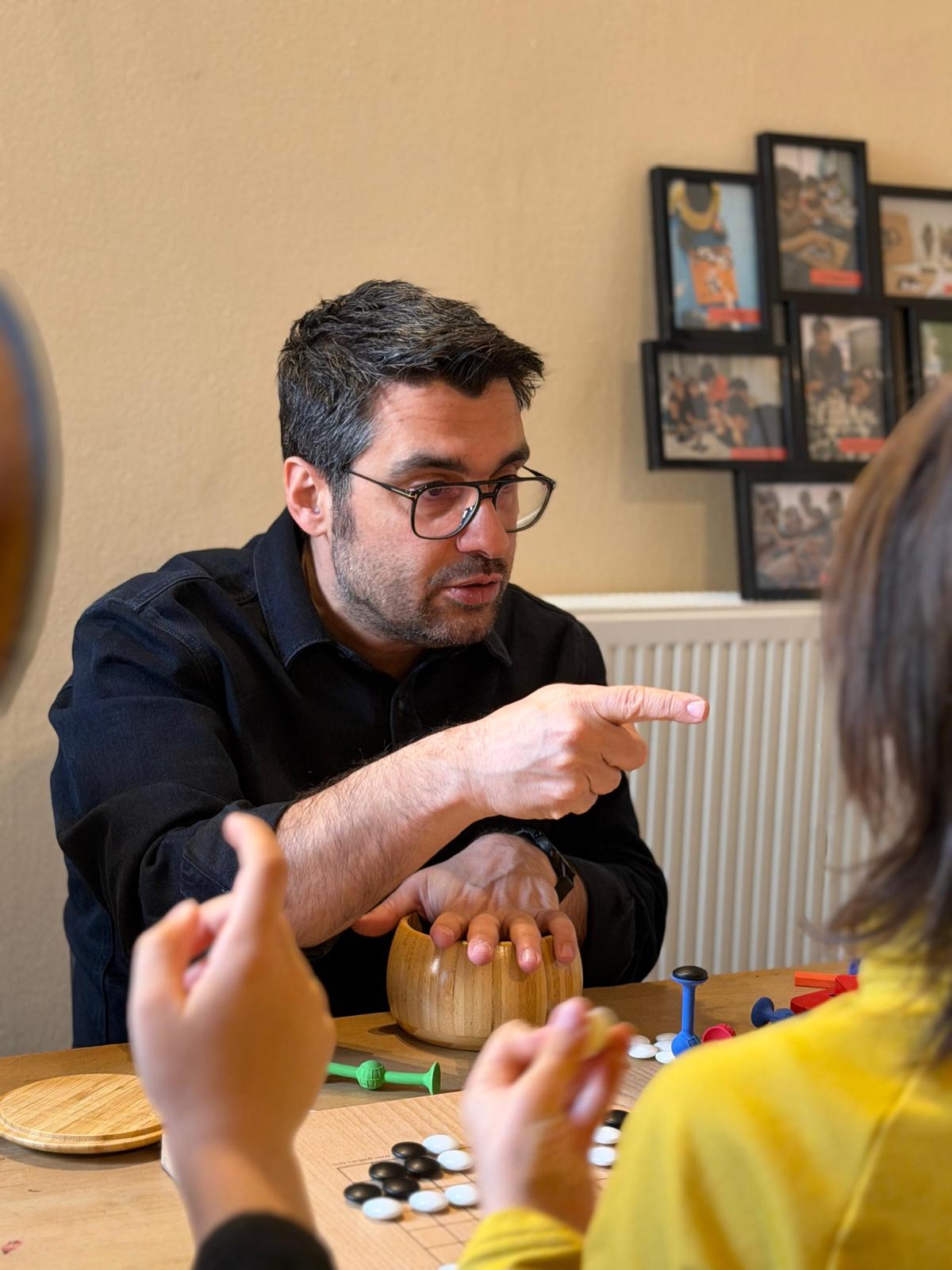
Mehmet Emin Barsbey

Mehmet Emin Barsbey

Founder of Istanbul Go School · 2-Dan Amateur Player & EGF Certified Referee

A graduate of Industrial Engineering from Galatasaray University, he has taught Go to thousands of students over the last 15 years and organized more than 100 tournaments. He represented Türkiye at the 2nd and 3rd Korea Prime Minister Cup International Amateur Baduk Championships and participated in multiple European and US Go Congresses. He is a co-author of the children's book Go Go İgo and spent 7 years as Chief Referee of the International Istanbul Go Tournament. He specializes in corporate strategy training derived from the Sun Tzu tradition, focusing on rational decision-making, analytical thinking, and cognitive biases.

Thousands of Children, Thousands of Moves: The Educational Journey of Istanbul Go School

Over the past 15 years, Istanbul Go School has introduced more than 10,000 children to the game of Go. Which platforms and teaching methods have proven to be the most effective? What are the most common mistakes when teaching Go to children? Can every child learn Go — and more importantly, should every child be expected to? How should we determine the right pace when teaching children? Should we aim for intensive Go training, or should we focus more on creating a fun, social, and welcoming Go community?

Ömer Naiboğlu & Berke Üner

Young Turkish Go Players
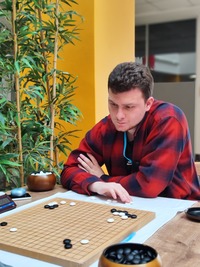
Ömer Naiboğlu

Ömer Naiboğlu is a 21-year-old Turkish Go player currently holding the rank of 2 Dan. Although he was first introduced to Go at the age of 12, his real journey began at the European Youth Go Championship (EYGC) 2023 in Ankara, when he was still a double-digit kyu (DDK) player. Inspired by the local Go community in Istanbul, he progressed rapidly, reaching Dan level within a year. Today, he regularly participates in international tournaments to gain experience, challenge himself, and continue improving as a player. In addition to competing, Ömer is actively involved in organizing tournaments and teaching activities in Istanbul, contributing to the growth of the local Go community.

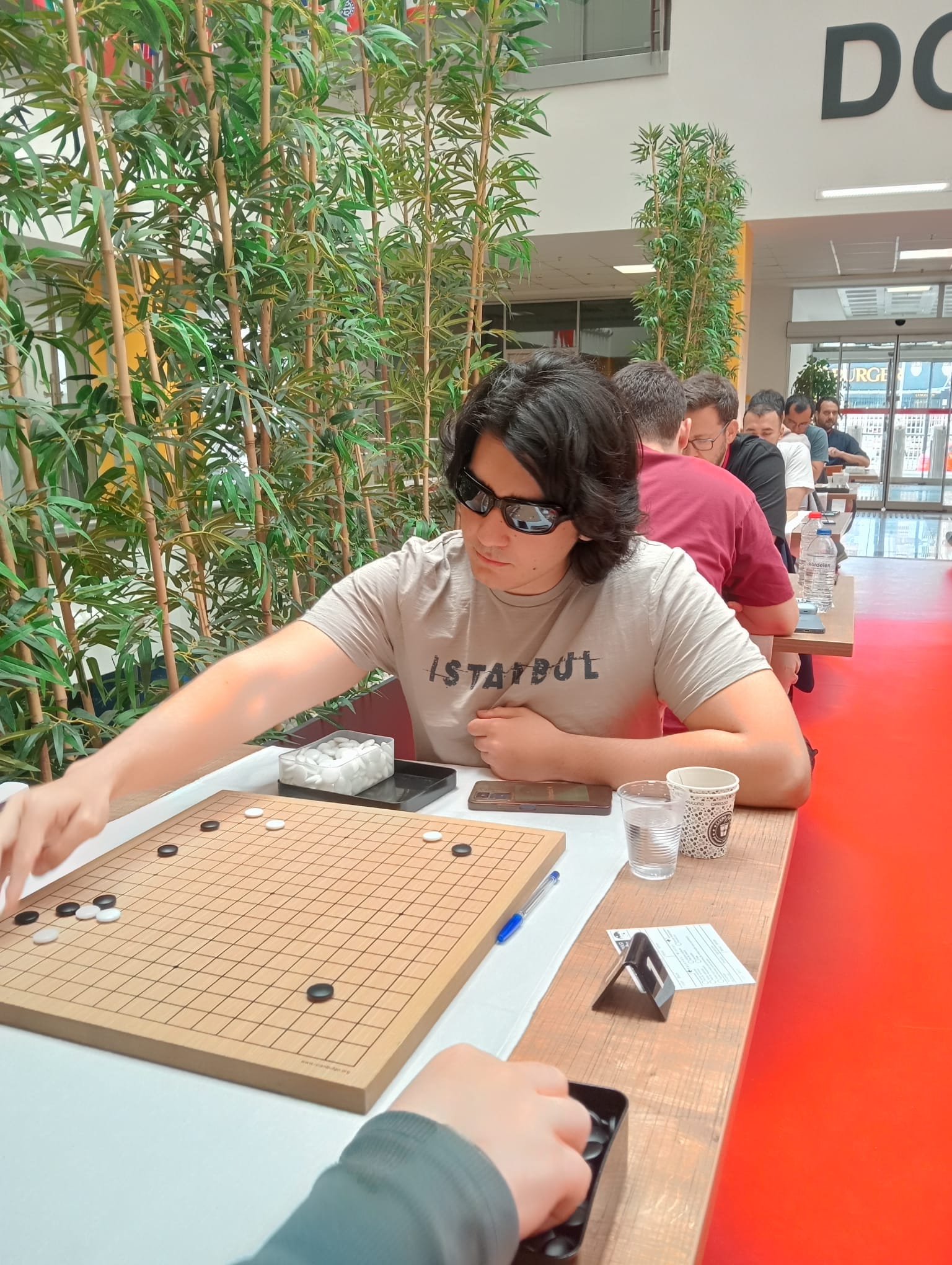
Berke Üner

Berke Üner is a 19-year-old Turkish Go player currently holding the rank of 3 Dan. He began playing Go at an early age through the Istanbul Go School and has remained passionate about the game ever since. Throughout his Go journey, he has won two national tournaments in Türkiye and continues to pursue new competitive achievements. With his dedication to continuous improvement, he looks forward to reaching even greater milestones in the years ahead.

How We Got Here: Journeys, Challenges, and Needs of Young Go Players in Turkey

What does it mean to grow up as a young Go player in Türkiye? This presentation shares the personal journeys of two young players, exploring how they discovered Go, the challenges they have faced, and what has kept them engaged with the game. Drawing on their own experiences, they will discuss the opportunities and obstacles encountered by young players in Türkiye, including access to tournaments, building a local community, balancing education with competitive play, and staying motivated in a relatively small Go ecosystem. Beyond reflecting on their individual stories, the speakers will also consider the future of Go in Türkiye from a young player's perspective. By sharing what has helped them—and what they believe is still missing—they hope to contribute ideas for creating a more supportive, connected, and sustainable environment for the next generation of Go players.

Prof. Dr. Gıyasettin Demirhan

Prof. Dr. Gıyasettin Demirhan

Faculty of Sport Sciences, Hacettepe University

Prof. Dr. Gıyasettin Demirhan is a faculty member in the Department of Physical Education and Sports Teaching at Hacettepe University's Faculty of Sport Sciences, and an academic who has played a pioneering role in institutionalizing sport sciences, physical education, and sport pedagogy in Turkey. He has held numerous administrative positions throughout his career, including Dean of the Faculty and Chair of the Department of Physical Education and Sports Teaching. His primary research interests encompass physical education and sport pedagogy, critical thinking in sport, philosophy of sport, teacher training policies, and the relationship between physical activity and cognitive function. Through numerous publications in prestigious national and international journals, his editorial roles for books and journals, and his leadership of large-scale research projects, Prof. Dr. Demirhan continues to produce scholarship of international standard, reflecting both his theoretical depth and his innovative vision for the field.

Teaching Go Under Variable Conditions: A Conceptual Framework for Adaptive Instruction

Teaching the game of Go poses distinctive pedagogical challenges, as learners vary considerably in terms of their prior knowledge, cognitive strategies, decision-making speed, and problem-solving approaches. While conventional instructional models often presuppose relatively homogeneous learning conditions, authentic teaching contexts are marked by ongoing variability in learner ability, classroom dynamics, time constraints, and available resources. This paper proposes a conceptual framework for adapting Go instruction to such variable conditions by integrating learner-centered pedagogy, differentiated instruction, and dynamic teaching strategies. The proposed framework conceptualizes instructional variability along four interrelated dimensions: learner characteristics, environmental conditions, instructional constraints, and game complexity. Building on these dimensions, it outlines a flexible teaching model that enables instructors to adjust learning objectives, task difficulty, feedback strategies, grouping arrangements, and assessment methods in response to changing instructional contexts. Rather than prescribing fixed lesson sequences, the model foregrounds continuous observation, formative assessment, and in-the-moment pedagogical decision-making. Illustrative teaching scenarios show how this approach may be applied across diverse instructional settings, including those involving beginner and advanced learners, heterogeneous classrooms, limited instructional time, online environments, and mixed-age groups, with particular attention to sustaining learner engagement while gradually increasing cognitive demand through scaffolded play situations, guided discovery, and reflective analysis. Rather than proposing a new curriculum, this paper presents a conceptual model designed to foster adaptive expertise among Go instructors, reframing instructional variability as an educational resource rather than a constraint. The principles discussed may extend beyond Go education to inform the broader literature on adaptive pedagogy and the teaching of complex strategic games. Future empirical studies are needed to examine the model's applicability and effectiveness across diverse learner populations and instructional settings.
Not yet registered? Register here!
Activate your account, or forgot your password?
Enter your login or email address above.